

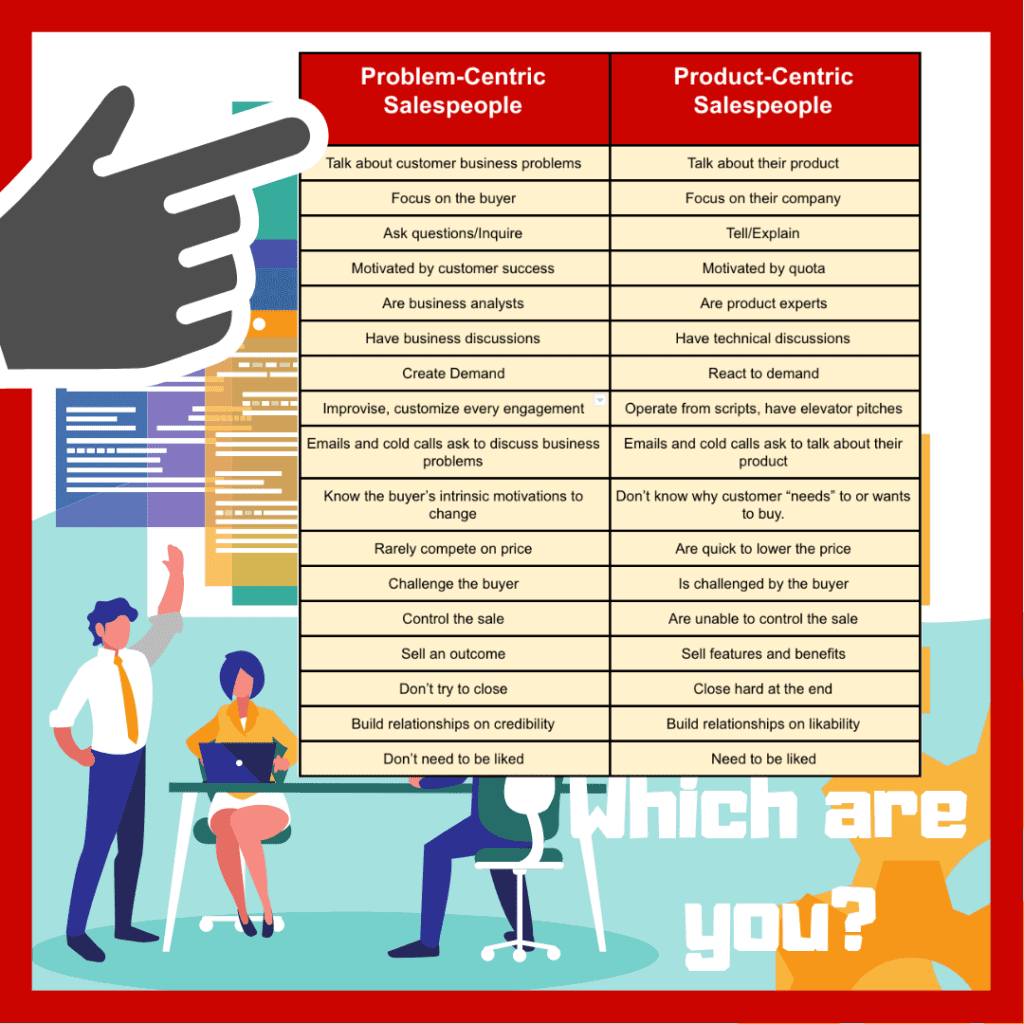
Most salespeople believe that mastering product knowledge is the fastest path to closing more deals. They memorize features, rehearse presentations, and spend hours refining pitches that highlight how amazing their products are. Yet despite all that effort, many still struggle to convert leads into paying customers. The reason is simple. Buyers are no longer impressed by product-heavy conversations that sound exactly like every competitor in the market. Modern customers care less about what a product does and more about what it does for them personally.
The harsh reality is that product-centric selling has created a disconnect between businesses and buyers. Customers do not wake up thinking about software features, premium materials, or technical specifications. They wake up thinking about their frustrations, challenges, missed opportunities, and goals. When a salesperson immediately jumps into product details without understanding the customer’s situation first, the conversation becomes self-centered rather than customer-focused. That disconnect weakens trust and lowers buying interest almost instantly.
The sales tip that changes everything is surprisingly simple. Stop selling products and start solving problems. This shift sounds basic, yet it completely transforms the way prospects respond during conversations. Instead of pushing features, successful salespeople uncover pain points, identify desired outcomes, and position their products as tools that help customers achieve meaningful results. That difference can dramatically improve conversion rates, strengthen relationships, and create long-term customer loyalty.
Why Product-Centric Selling Is Quietly Destroying Sales Results
Product-centric selling often feels logical from the seller’s perspective. Businesses spend enormous amounts of time creating products, refining services, and improving features, so naturally they want to talk about them. Unfortunately, buyers do not view the sales process the same way. Customers are usually more concerned about solving a pressing issue than listening to a detailed explanation about a product’s capabilities. When sales conversations revolve entirely around the product, buyers feel disconnected from the interaction because their actual concerns remain unaddressed.
Another major problem with product-focused selling is that competitors sound nearly identical. Every company claims to have better quality, superior support, faster performance, or cutting-edge innovation. Buyers hear the same promises repeatedly, which makes it difficult for any salesperson to stand out. Instead of creating excitement, feature-heavy pitches often blend together into forgettable conversations. Buyers begin comparing products strictly on price because they see little meaningful difference between the options presented to them.
Modern customers are also more informed than ever before. They can research products online, read reviews, compare pricing, and watch demonstrations without speaking to a salesperson. By the time a buyer enters a conversation, they often already know basic product information. What they actually want is guidance, clarity, and confidence in making the right decision. Salespeople who focus only on product details fail to provide the strategic insight buyers are truly seeking.
Product-centric selling can also create resistance during conversations. When prospects feel like they are being pitched immediately, they become defensive. They start questioning motives and searching for hidden pressure tactics. This psychological resistance makes it much harder to build trust. Buyers prefer conversations that feel collaborative rather than transactional. They want to feel understood instead of targeted.
Many salespeople unknowingly sabotage deals by overwhelming prospects with excessive information. Long explanations about features, processes, and technical details can confuse buyers rather than persuade them. Confused buyers rarely make quick decisions. Simplicity and relevance are far more powerful than information overload. Customers want clarity about how their problems will improve, not an encyclopedia of product specifications.
Sales professionals who rely entirely on product expertise also struggle to build emotional connection. Purchasing decisions are emotional first and logical second. Buyers justify purchases logically, but they are often driven emotionally by desires such as security, convenience, confidence, growth, or relief from frustration. Product-focused conversations rarely tap into those emotional drivers effectively.
The companies winning in today’s marketplace are not necessarily the ones with the most advanced products. They are the ones that understand customers deeply and communicate solutions clearly. Businesses that prioritize customer challenges instead of product promotion create stronger engagement and more meaningful buying experiences.
The Sales Tip That Changes Everything
The most effective sales strategy today is problem-centric selling. Instead of making the product the center of the conversation, the customer’s problem becomes the main focus. This approach completely changes the dynamic between buyer and seller. Rather than acting like a promoter, the salesperson becomes a trusted guide who helps customers find clarity and direction.
Problem-centric selling begins with curiosity. Great salespeople ask thoughtful questions before discussing products. They explore frustrations, obstacles, missed goals, inefficiencies, and desired outcomes. These conversations reveal valuable insights that allow sales professionals to personalize recommendations effectively. Buyers immediately feel more understood when salespeople show genuine interest in their situation.
Customers respond positively when they feel heard. Listening carefully builds trust far faster than pitching aggressively. Prospects want to know that a salesperson understands their unique circumstances rather than treating them like another generic lead. When buyers feel emotionally understood, they become more open to recommendations and solutions.
The focus on outcomes also changes the way products are presented. Instead of highlighting random features, successful salespeople connect features directly to benefits that matter to the customer. A software tool is no longer simply “cloud-based with advanced analytics.” It becomes a way to save time, reduce stress, improve productivity, and increase profits. That emotional relevance creates stronger buying motivation.
Problem-centric selling also makes conversations feel more natural and less scripted. Instead of delivering rehearsed presentations, salespeople engage in meaningful dialogue. Buyers appreciate authentic conversations because they feel collaborative rather than manipulative. This collaborative atmosphere lowers resistance and encourages honest communication.
Another advantage of this approach is that it improves long-term customer relationships. Customers remember businesses that genuinely helped them solve problems. They are more likely to return, renew services, and refer others when they feel valued rather than sold to. Trust becomes the foundation of the relationship instead of persuasion tactics.
The shift away from product-centric selling requires a mindset change. Salespeople must stop viewing themselves as presenters and start viewing themselves as problem-solvers. That subtle shift influences every part of the conversation, from questioning techniques to product positioning. It transforms sales from a transactional process into a relationship-driven experience.
Ultimately, customers do not buy products simply because they exist. They buy because they believe those products will improve their lives or businesses. Salespeople who understand that principle consistently outperform those who rely solely on feature-heavy pitches.
Understanding The Psychology Behind Better Selling
Human psychology plays a massive role in buying decisions. People want to feel safe, understood, and confident before making purchases. Product-centric selling often ignores these emotional needs because it focuses heavily on information instead of connection. The most successful sales conversations address both emotional and practical concerns simultaneously.
Trust is one of the most important factors in sales. Buyers are naturally cautious because they fear making poor decisions or wasting money. When salespeople rush into pitches without first building rapport, buyers become skeptical. Trust develops through empathy, listening, honesty, and relevance. Customers are far more likely to buy from someone who understands their challenges than someone who simply promotes features.
Questions are another powerful psychological tool in sales. Skilled salespeople know that the right questions reveal motivations, fears, and priorities. Buyers often share valuable information when conversations feel supportive rather than interrogative. Open-ended questions encourage deeper discussion and uncover insights that shape more effective recommendations.
Here are several powerful ways psychology improves sales conversations:
-
Active listening makes buyers feel respected and valued
-
Personalized conversations create emotional connection
-
Empathy lowers resistance and defensiveness
-
Problem-focused dialogue builds credibility
-
Outcome-based messaging creates stronger desire
-
Strategic questioning uncovers hidden motivations
-
Trust-driven communication increases buyer confidence
Customers also want simplicity. Complex explanations and technical jargon create mental fatigue. Buyers appreciate clear communication that directly connects products to real-life improvements. Simplicity reduces confusion and makes decision-making easier. Salespeople who communicate clearly often outperform those who overwhelm buyers with excessive detail.
Emotional connection strongly influences memory as well. Buyers may forget specific product features, but they remember how a salesperson made them feel. Positive emotional experiences create stronger brand impressions and increase customer loyalty over time. That emotional impact becomes a major competitive advantage in crowded industries.
Modern consumers are also highly sensitive to authenticity. Buyers quickly recognize scripted sales behavior and generic pitches. Authentic conversations feel more trustworthy because they focus on genuine understanding rather than manipulation. Customers prefer transparency and honesty over exaggerated promises or aggressive persuasion tactics.
Understanding buyer psychology helps salespeople communicate more effectively. Instead of forcing conversations toward products immediately, successful professionals guide buyers through thoughtful discussions that create clarity, trust, and emotional confidence. That approach leads to more meaningful relationships and stronger sales outcomes.
Common Product-Centric Selling Mistakes
One of the biggest mistakes salespeople make is leading with features too early. Buyers do not yet care about product details if they do not clearly understand how those details relate to their problems. Jumping straight into features often causes prospects to lose interest because the conversation feels disconnected from their priorities.
Another common mistake is talking too much. Many salespeople believe persuasion requires constant explanation and nonstop communication. In reality, excessive talking often weakens sales conversations. Buyers need space to think, respond, and express concerns. Listening is far more powerful than dominating the discussion.
Generic presentations also damage sales effectiveness. Customers want personalized experiences that reflect their unique challenges and goals. When every prospect receives the exact same pitch, conversations feel robotic and impersonal. Personalization demonstrates effort, understanding, and genuine interest in the buyer’s situation.
Salespeople frequently mishandle objections as well. Instead of viewing objections as opportunities for clarification, they see them as barriers to overcome quickly. This defensive mindset creates tension during conversations. Objections often reveal important concerns that buyers need resolved before moving forward confidently.
Another mistake involves focusing too heavily on product superiority. Many businesses assume that better features automatically guarantee stronger sales performance. However, customers rarely buy solely because a product is technically superior. Buyers prioritize relevance, trust, emotional confidence, and perceived value. A simpler product with better communication often outsells a more advanced product with poor customer engagement.
Many sales professionals also fail to uncover emotional motivations. Buyers are influenced by emotions such as fear, ambition, convenience, relief, and confidence. Product-centric conversations usually focus only on logical details while ignoring emotional drivers. This creates weaker buying motivation and less memorable interactions.
Finally, product-centric selling often creates short-term relationships rather than long-term loyalty. Buyers who feel pressured into transactions are less likely to become repeat customers. Relationship-driven selling creates stronger emotional connection and improves customer retention significantly.
How To Shift Toward Customer-Centric Selling
Transitioning away from product-centric selling begins with changing priorities during conversations. Instead of asking how quickly a product can be presented, salespeople should focus on understanding the customer’s world first. Discovery conversations become the foundation for meaningful engagement.
Effective discovery starts with thoughtful questions. Sales professionals should explore the customer’s frustrations, goals, priorities, and current obstacles. These insights help identify what truly matters to the buyer. Customers often reveal emotional concerns that are even more important than practical issues.
Listening carefully during discovery conversations is essential. Many salespeople ask questions only to move toward their pitch quickly. Truly effective listening involves understanding tone, emotion, hesitation, and deeper motivations. Buyers appreciate conversations where they feel genuinely heard and understood.
Salespeople should also learn to position products differently. Instead of making the product the hero of the story, the customer becomes the hero. The product simply acts as the tool that helps achieve transformation. This subtle change makes conversations feel more customer-focused and emotionally relevant.
Personalization is another critical component of customer-centric selling. Buyers respond better when recommendations feel specifically tailored to their needs. Personalized communication shows effort and attention to detail. It creates a stronger sense of trust and partnership.
Simplifying communication also improves sales effectiveness. Customers do not need complicated explanations filled with technical jargon. They need clear understanding of how a solution improves their lives or businesses. Clarity increases confidence and reduces hesitation during decision-making.
Consistency matters as well. Customer-centric selling should influence every interaction, from initial outreach to follow-up communication. Businesses that consistently prioritize customer needs build stronger reputations and create better long-term relationships. Over time, this approach leads to higher retention, better referrals, and sustainable growth.
Why Modern Buyers Respond Better To Problem-Focused Selling
The internet has completely transformed buyer behavior. Customers no longer rely on salespeople for basic product information because they can access endless resources online. What buyers truly value today is insight, guidance, and personalized problem-solving. Sales professionals who fail to adapt to this shift quickly become irrelevant.
Modern consumers also expect personalized experiences. Generic messaging feels outdated in a world where customers are constantly exposed to customized recommendations, targeted advertising, and personalized digital experiences. Buyers want conversations that reflect their specific goals and frustrations.
Problem-focused selling aligns naturally with these expectations. Instead of overwhelming customers with information they already know, salespeople provide clarity and relevance. Buyers appreciate conversations that help them better understand their own challenges and opportunities.
Trust is more important than ever in today’s marketplace. Customers are cautious because they have countless options available. Businesses that focus entirely on pushing products often appear self-serving. Companies that prioritize customer needs build stronger emotional credibility and long-term loyalty.
Modern buyers are also emotionally driven. They want confidence that they are making the right decision. Problem-focused conversations reduce anxiety because they emphasize understanding and collaboration. Buyers feel safer when salespeople focus on helping rather than persuading aggressively.
Another reason this approach works better is that customers want efficiency. Long product presentations waste time if they do not address the buyer’s actual priorities. Problem-focused conversations streamline communication by centering discussions around relevant solutions and meaningful outcomes.
Businesses that adapt to modern buyer expectations gain a powerful competitive advantage. While competitors continue delivering repetitive product pitches, customer-centric companies create memorable experiences that strengthen trust and increase conversion rates.
Practical Sales Techniques You Can Apply Immediately
Improving sales effectiveness does not always require dramatic changes. Small adjustments in communication style can significantly improve customer engagement. One of the most effective techniques is asking more “why” questions. These questions uncover motivations and emotional drivers that shape buying decisions.
Another valuable technique involves translating features into outcomes. Customers care more about results than technical specifications. Instead of describing what a product does, explain how it improves the buyer’s life or business. This makes communication more emotionally compelling and relevant.
Mirroring customer language is another powerful strategy. Buyers feel more comfortable when salespeople communicate using familiar terminology and phrasing. This subtle alignment creates stronger rapport and improves connection during conversations.
Sales professionals should also prioritize dialogue over presentations. Conversations should feel collaborative rather than one-sided. Buyers want involvement in the process because participation creates stronger emotional investment and trust.
Here are practical ways to improve customer-centric selling immediately:
-
Ask deeper discovery questions before discussing products
-
Listen more than you speak during sales conversations
-
Connect every feature to a meaningful customer outcome
-
Personalize recommendations based on buyer priorities
-
Use simple and clear language instead of jargon
-
Focus on emotional drivers behind purchases
-
Build trust before attempting to close deals
-
Encourage collaborative problem-solving discussions
Following up effectively also matters. Many salespeople disappear after presentations or rely on generic follow-up messages. Personalized follow-ups that address specific concerns and priorities create stronger engagement. Buyers appreciate communication that feels thoughtful rather than automated.
Sales improvement comes from consistent practice and awareness. Professionals who focus on understanding people rather than simply promoting products create stronger relationships and better long-term results. The most successful salespeople are often the best listeners, not the best presenters.
FAQ
What Is Product-Centric Selling?
Product-centric selling is a sales approach that focuses primarily on promoting product features, specifications, and capabilities instead of addressing customer problems and desired outcomes. This approach often emphasizes the product more than the buyer’s needs.
Why Does Product-Centric Selling Fail?
Product-centric selling fails because modern buyers care more about solving problems than hearing product details. Customers want personalized solutions, emotional connection, and trust-driven conversations rather than generic sales pitches.
What Is Customer-Centric Selling?
Customer-centric selling focuses on understanding buyer challenges, goals, and motivations before recommending solutions. The conversation centers around helping the customer achieve meaningful results rather than simply promoting products.
Why Do Buyers Care More About Outcomes Than Features?
Buyers purchase products because they want improvements in their lives or businesses. Features only matter when customers clearly understand how those features create valuable outcomes such as saving time, reducing stress, increasing revenue, or improving efficiency.
How Can Salespeople Become Better Listeners?
Salespeople improve listening skills by asking thoughtful questions, avoiding interruptions, paying attention to emotional cues, and focusing fully on the customer’s perspective instead of preparing the next pitch.
How Does Problem-Centric Selling Increase Trust?
Problem-centric selling builds trust because buyers feel understood and supported. Customers are more likely to trust sales professionals who prioritize their needs instead of immediately pushing products.
Can Small Businesses Benefit From Customer-Centric Selling?
Yes, small businesses often benefit greatly from customer-centric selling because personalized communication and relationship-building help them compete against larger companies with bigger marketing budgets.
Takeaway
The biggest shift in modern sales is not about mastering more persuasive scripts or memorizing additional product details. It is about understanding people better. Customers no longer respond strongly to feature-heavy presentations that focus entirely on products. They respond to conversations that address frustrations, goals, emotions, and desired outcomes.
Sales professionals who stop making products the center of the conversation gain a powerful advantage in today’s competitive marketplace. By focusing on problems first, building trust through empathy, and connecting solutions to meaningful transformation, salespeople create stronger relationships and better buying experiences.
The simple sales tip that changes everything is clear. Stop selling products and start solving problems. Once that mindset becomes the foundation of every conversation, selling becomes less about persuasion and more about helping customers move closer to the outcomes they truly want.
Read More: https://salesgrowth.com/stop-product-centric-selling/